




SAĞLIK REHBERİ
HPV Infection General Information
HPV or also known as genital human papilloma virus hpv virus
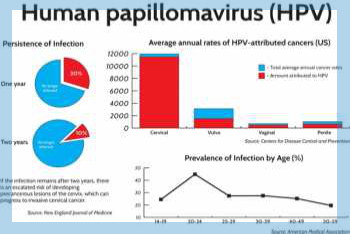
HPV, also known as genital human papilloma virus, is a sexually transmitted viral infection that is responsible for the formation of condylomas known as genital warts and should be taken seriously. In recent years, it has been seen with increasing frequency in our country, especially among young people. Significant increases are also observed in those applying for treatment with complaints of genital warts.
genital warts,HPV virusThe infection occurs more frequently in the genital area, around the anus and rarely in the mouth in both men and women. These warts or also known as condyloma structures are caused by Human Papilloma Virus (HPVThese are painless masses and papillary formations that appear as a result of ) infection, with the appearance of a cauliflower, sometimes single, sometimes multiple, sometimes as small as a pin head, and sometimes up to 4 cm in diameter (in rare cases, very large diameter).
What kind of virus is HPV?
HPV (human papillomavirus, genital human papilloma virus, HPV virus) is a type of virus that infects the genital area, skin and mucosa and causes the formation of wart-shaped masses called condyloma acuminatum (condyloma acuminatum, condyloma, conduloma, condyloma). As with many viral diseases, once the HPV virus enters the body, it settles in the cells and causes recurrent infections, occasionally causing flare-ups. For this reasonHPV infectionAlthough it is considered a disease with no definitive treatment, in recent years it is thought that some types can be eliminated from the body and disappear in infection within a period of 4-5 years.
There are currently nearly 100 known and classified subtypes of HPV. Some of them cause infection only in the reproductive system and are called genital HPV. HPV types 6 and 11 most commonly cause genital warts. However, HPV types 16,18, 31,33, 35 and 52 cause cellular changes in the cervix. HPV virus is detected in 95% of women diagnosed with cervical cancer. The most important, and perhaps even the only, cause of cervical cancer (cervical cancer), which is among the leading female cancers.HPV infectionStop. For this reason, when the HPV virus and the genital warts it causes are detected, they must be treated and the patients must be followed closely and smear tests and colposcopic examinations should be performed when necessary. It is also a fact that in the presence of genital warts (condyloma), which is a result of the HPV virus, the contagiousness of this virus is very high, and when these condylomas are burned, the virus often decreases its contagiousness and enters a convalescence period.
How are HPV virus and condyloma transmitted? How do genital warts occur?
HPV is a sexually transmitted disease and is the most common. HPVs that infect the sexual area spread easily through contact. There does not necessarily have to be a full relationship for HPV to be transmitted from one person to another. The disease can also be transmitted by contact of infected skin areas with each other. It can often be transmitted to young people through external "friction" without full sexual intercourse.
The incubation period of the virus is variable. The incubation period varies depending on the HPV type. While the incubation period for some HPV types is 1-2 months, for some HPV types it can reach years. After infection, symptoms may sometimes appear a few months or a few years later. Sometimes the virus can even remain in the body for years without causing any symptoms. Most patients show symptoms within 2-6 months. Contagiousness is highest in the presence of active genital lesions. After warts appear and are treated, the longer the period before warts appear again, the less contagious they are.
Transmission of condylomas genitalHPV diseaseIt can be transmitted through any sexual intercourse with an infected person. The virus is transmitted through skin-to-skin contact through microscopic tears and abrasions that occur on the skin during intercourse. The detection of the virus in male semen suggests that it can also be transmitted through contact with body fluids. Not everyone who comes into contact with the virus develops symptoms of infection, but it has been determined that the partners of 60-90% of individuals with conduloma also have the virus. Once the virus enters the body, it can remain silent for many years. It can be seen in anyone who is sexually active, and many sexually active people can be carriers of the HPV virus.
What are the symptoms of HPV-Genital Warts, Condyloma?
After contact and infection with HPV, the disease does not necessarily occur. In fact, in most people, HPV is neutralized by the body's own defense system. Another possibility is that the person who gets the virus does not have any symptoms for a long time. A person can live for years without any complaints. However, this does not prevent him from spreading the disease and he can infect those he comes into contact with. This situation is called silent infection. What causes genital warts?HPV virusPeople who carry their nude without any symptoms are called "porters".
Small warts usually appear in the external genital area. These can be seen by the person or felt by hand. Warts are soft, slightly raised, pink-white colored, cauliflower-like formations. They can be singly or in groups. From time to time, they are not puffed out but are found flat. They can rarely be seen in the vagina or around the anus. Warts may also appear in the mouth and anus after anal or oral sex. In some cases, there may also be warts inside the vagina and on the cervix. There is no pain in condyloma, but occasional itching and burning may occur. Sometimes the patient may not be able to notice it visually, and itching, which is often uncomfortable, may sometimes be the only symptom.
If left untreated, warts can remain for a long time without any change, but this behavior is quite rare. In general, they have a tendency to constantly grow and expand. If there is another vaginal infection along with the condyloma, this growth usually occurs faster. It mostly spreads to moist and warm areas of the body. If abnormal color and shape changes and abnormal swellings that were not there before are observed around the vagina and anus, if there is itching, burning and bleeding in the genital area, if the partner has or has had condyloma before, it is necessary to undergo a gynecological examination.
HPV infectionsDepending on the type of virus, it may cause some changes in the cells that make up the cervix, called dysplasia, which may lead to cancer. Koilocytosis is detected in the cells in Pap smear. While low-risk types of viruses generally cause changes such as ASCUS, CIN (CIN 1, CIN 2, CIN 3) and SIL that appear in PAP smear, high-risk types can cause cervical cancer in the long term. Therefore, HPV typing is very important. HPV DNA typing is now easily done in genetic laboratories.
Cervical cancer is the second most common cancer among women worldwide and is a lethal cancer. However, it has a special importance among cancer types in terms of being preventable. The only and simplest way to prevent cervical cancer is regular pap smear tests. When abnormalities defined as CIN or SIL are detected in the smear test, the diagnosis is confirmed by biopsy with colposcopy. Then, depending on the degree of the disease, the changed area in the cervix is removed with simple surgeries called LEEP or conization, and then regular check-ups begin. In case of advanced stage CIN or SIL, if the person has completed his/her family and does not want another child or is around the age of 40, removal of the uterus (hysterectomy) is another treatment method. These decisions are made according to the patient's age, the patient's family-social situation, and the degree and severity of abnormal changes in the cervix.
How and how is HPV diagnosed?
The presence of genital warts confirms the diagnosis of HPV in both men and women. Sometimes, by applying some acid-containing solutions, it can be determined whether there are warts or not from the color changes on the skin. In cases where there is no externally visible lesion, diagnosis can be made by examining the cervix with a magnifying glass-like device called colposcope. In case of the slightest suspicion, pathological examination of a small piece taken from the lesion can definitively establish the diagnosis. However, since the lesions are generally very typical, a physician's visual examination is sufficient to diagnose HPV and genital warts.Changes in the cervix caused by HPV are detected in routine PAP smear tests. Pap smear (cervical cancerscreening) test should be performed every 6 months throughout life.
When changes thought to be related to HPV (especially koilocyte cells and koilocyte appearance) are detected in the PAP smear, the presence of HPV and which type of HPV is detected can be determined by DNA analysis of HPV in the same material. For example, HPV type 16 is detected in 50% of cervical cancers. When HPV type 16 is found in DNA typing, this woman needs to be followed closely throughout her life.
Partners of people diagnosed with condyloma should also be examined and, if necessary,genital wartshould be treated for. Because an untreated partner can cause constant reinfection of the infection. It is not possible to detect HPV that does not cause symptoms in men. Unfortunately, there is no test that can detect silent infection in men!
Since HPV does not pass into the bloodstream, it is not possible to detect this virus in the blood. In other words, contrary to popular belief, it is not possible to diagnose HPV with a blood test and there is no blood test specific to HPV-genital warts...
Pregnancy: What is the importance of HPV infection during pregnancy?
Excessive growth of genital warts and condyloma masses that existed before pregnancy or that have just appeared during pregnancy sometimes causes obstruction of the birth canal and normal vaginal birth becomes impossible.
Another undesirable situation occurs when the baby contracts HPV in the birth canal while passing through the birth canal during labor. Transmission of the virus may cause papillomas (small masses, laryngeal papillomatosis) to form in the baby's larynx (the organ where the vocal cords are located). For this reason, in the presence of condyloma or with a history of condyloma, it is recommended that pregnant women give birth by caesarean section.
Comments and questions
HPV sonucu pozitifse mutlaka hemen bir işlem yapılır mı?
Her zaman değil. İzlem veya ek inceleme kararı HPV sonucuna, hücre değerlendirmesine, önceki sonuçlara ve kişisel durumunuza göre değişir. Size önerilen takip planını hekiminizle netleştirin.
HPV testimin pozitif olması kanser olduğum anlamına mı gelir?
Hayır. Pozitif HPV sonucu tek başına kanser tanısı değildir. Sonucun ne anlama geldiği ve ne zaman kontrol gerektiği, tarama bulgularınız ve sağlık öykünüzle birlikte değerlendirilir.