



PREGNANCY AND BIRTH
amniocentesis
Antalya gave information about amniocentesis.
Gynecology and Obstetrics Specialist giving information about amniocentesisOp.Dr. Abdulaziz Akkaya, many expectant mothers are afraid and experience nightmares.amniocentesisHe said that it is an invasive diagnostic test that will provide important information about the baby's health status, especially in advanced pregnancies.
genetic defects
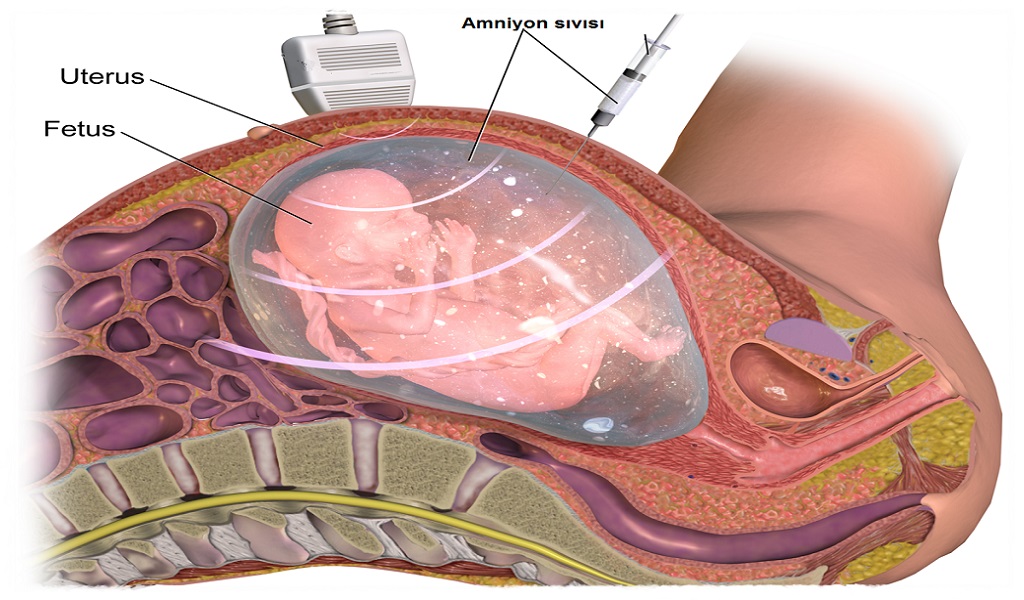
amniocentesisIt states that amniotic fluid, which surrounds and protects the baby during pregnancy, is removed from the uterus for testing or treatment. Gynecology and Obstetrics SpecialistOp.Dr. Abdulaziz Akkaya said, "We know that approximately 2-3% of babies are born with various anomalies. Genetic defects play a big role in the formation of these anomalies. Since there is not yet a permanent treatment method for genetic diseases, early diagnosis of these diseases is important. There are many methods used for this purpose and amniocentesis is the most frequently used method among the prenatal diagnosis methods that require invasive intervention in the expectant mother. The most common method is to evaluate the babies of expectant mothers with advanced maternal age in terms of chromosomal anomalies and perform risk tests in one of the triple test, double test or quadruple test examinations." "It is used for definitive diagnosis in cases where it is detected."
Situations requiring amniocentesis
Op.Dr. Abdulaziz AkkkayaReminding that amniocentesis is the name given to the process of reaching the uterus with a needle inserted through the abdominal skin of the expectant mother and from there to the amniotic fluid in which the baby swims and taking fluid from there, he listed the situations in which amniocentesis should be performed:
• Expectant mothers aged 35 and over
• Having previously given birth to a baby with a chromosomal abnormality
• Presence of chromosomal anomaly (Down syndrome) in one of the close relatives
• Hereditary diseases in mother and father
• High risk in one of the screening tests such as double test, triple test or quadruple test
• Detection of anomaly in the baby during routine or detailed ultrasound
• The expectant mother has previously given birth to a baby with anomaly. Even though the chromosome analysis of the baby born with this anomaly has not been performed, AS is recommended because there is a risk of recurrence.
• Determining the gender of the baby in those at risk of hereditary diseases linked to the X chromosome
16-20. between weeks of pregnancy
amniocentesis16-20 to obtain information about the baby's chromosome structure. Op.Dr.Akkaya emphasized that it is performed between weeks of pregnancy and said, "amniocentesisThere is no special preparation before the procedure. The expectant mother does not have to be hungry. DefinitelyamniocentesisIt is necessary to be informed in detail before the procedure.amniocentesisOnly the expectant mother and her partner can decide how the pregnancy will continue, based on the procedure and the results. For this reason, all medical information is conveyed to the family and they are expected to make a decision.” he said.
Comments and questions
Amniyosentez önerilmesi bebeğimde kesin bir sorun olduğu anlamına mı gelir?
Hayır. Bu test belirli bir durumu araştırmak için önerilebilir. Neden istendiğini, sonuçların ne gösterebileceğini ve işleme bağlı riskleri hekiminizle konuşun.