




PREGNANCY AND BIRTH
Gestational Diabetes: Things to Know During Pregnancy
How to screen for gestational diabetes, how to monitor blood sugar, and what checks are needed after birth? Patient guide based on current guidelines.

Gestational diabetes is high blood sugar detected during pregnancy. It does not cause any significant complaints in most people; Therefore, screening at the appropriate time is important in pregnancy checks. Once diagnosed, risks can be reduced with nutrition, exercise, blood sugar monitoring and, if necessary, medication. The follow-up plan is determined by the physician according to the pregnancy and the person's health condition.
What is gestational diabetes?
Hormones secreted from the placenta during pregnancy can reduce the body's response to insulin. When the pancreas cannot meet the increased demand, blood sugar rises. This condition is different from diabetes known before pregnancy; It is also evaluated which group the high values detected in the early stages of pregnancy fall into.
As blood sugar rises, the likelihood of problems such as overgrowth in the baby, difficulty in labor, and low blood sugar after birth may increase. The risk of pregnancy hypertension and preeclampsia in the mother also increases. These possibilities are not the same in every pregnancy; Early diagnosis and regular follow-up are important.
In whom is it more common?
Having gestational diabetes in a previous pregnancy, being overweight, having diabetes in a first-degree relative, polycystic ovary syndrome, giving birth to a large baby before and high blood sugar before pregnancy may increase the risk. Advanced age is also taken into account in the evaluation. However, gestational diabetes can also develop in people with no obvious risk factors.
Symptoms such as excessive thirst or frequent urination may occur; However, these may also occur during pregnancy for other reasons. Having no symptoms does not mean that blood sugar is normal.
When and how is screening done?
Screening is often done in people whose diabetes was unknown before pregnancy.24–28. pregnancy weeksis planned between. If there was gestational diabetes or other significant risks in a previous pregnancy, the physician may request earlier evaluation. 24–28, even if the early result is normal. Re-scanning may be required in weeks.
There are two approaches in practice:
- One-step method:A 75 gram oral glucose tolerance test (OGTT) is performed after at least 8 hours of fasting. Fasting, 1st hour and 2nd hour values are evaluated. In frequently used criteria, reaching any of the thresholds of 92, 180 and 153 mg/dL, respectively, is sufficient for diagnosis.
- Two-step method:First, a 50-gram screening test that does not require fasting is performed. Depending on the laboratory and the protocol used, a 1-hour result of 130, 135 or 140 mg/dL and above generally requires a 100-gram diagnostic test performed under fasting conditions. In the 100-gram test, fasting thresholds of 95, 1st hour 180, 2nd hour 155 and 3rd hour 140 mg/dL thresholds are evaluated; At least two high values on commonly used criteria are diagnostic.
The 50 gram screening test is not a diagnostic test on its own.Do not interpret your result by comparing it to a threshold online, as different guidelines and laboratory protocols may be available; Ask your doctor which method is used. If you have concerns about the OGTT, discuss them with your physician before having the test.

The method and time of sugar screening are determined according to personal risks. It is a visual representation.
How to monitor blood sugar once diagnosed?
The physician explains how often fasting and post-meal measurements will be taken at home. Frequently used targets in hungerless than 95 mg/dL, 1 hour after mealBelow 140 mg/dLor 2 hours lateris below 120 mg/dL. These are not diagnostic thresholds, but follow-up targets; It is adapted taking into account the risk of hypoglycemia and the individual situation.
Recording measurement results and sharing them during check-ups helps change the nutrition and treatment plan when necessary.
Nutrition, exercise and medication
The first step is usually a personalized nutrition plan with the support of a dietitian and physical activity that is safe for pregnancy. The goal is not to completely cut down on meals or eliminate carbs; It is a regular and balanced diet that meets the needs of the mother and baby. It may be useful to limit sugary drinks, choose foods containing fiber and create a meal plan.
If your physician deems it appropriate, light or moderate movements such as walking after meals may also be part of the plan. The type and duration of exercise vary depending on other conditions in pregnancy.
If target values cannot be achieved with these measuresinsulincan be recommended. Insulin is the drug of choice in gestational diabetes; The dose and application order are adjusted by the physician according to the measurements. Although metformin may be considered in some cases, it crosses the placenta and is not considered a first choice. Do not start or stop medication on your own.
How does pregnancy and birth follow up?
During pregnancy checks, the baby's growth and the amount of amniotic fluid can be monitored with ultrasound. Additional tests are planned when necessary. The course of blood sugar, the development of the baby and other conditions during pregnancy determine the time and type of birth. A diagnosis of gestational diabetes alone does not mean that a cesarean section is required.
For other stages of follow-uppregnancy checksYou can also look at our article.
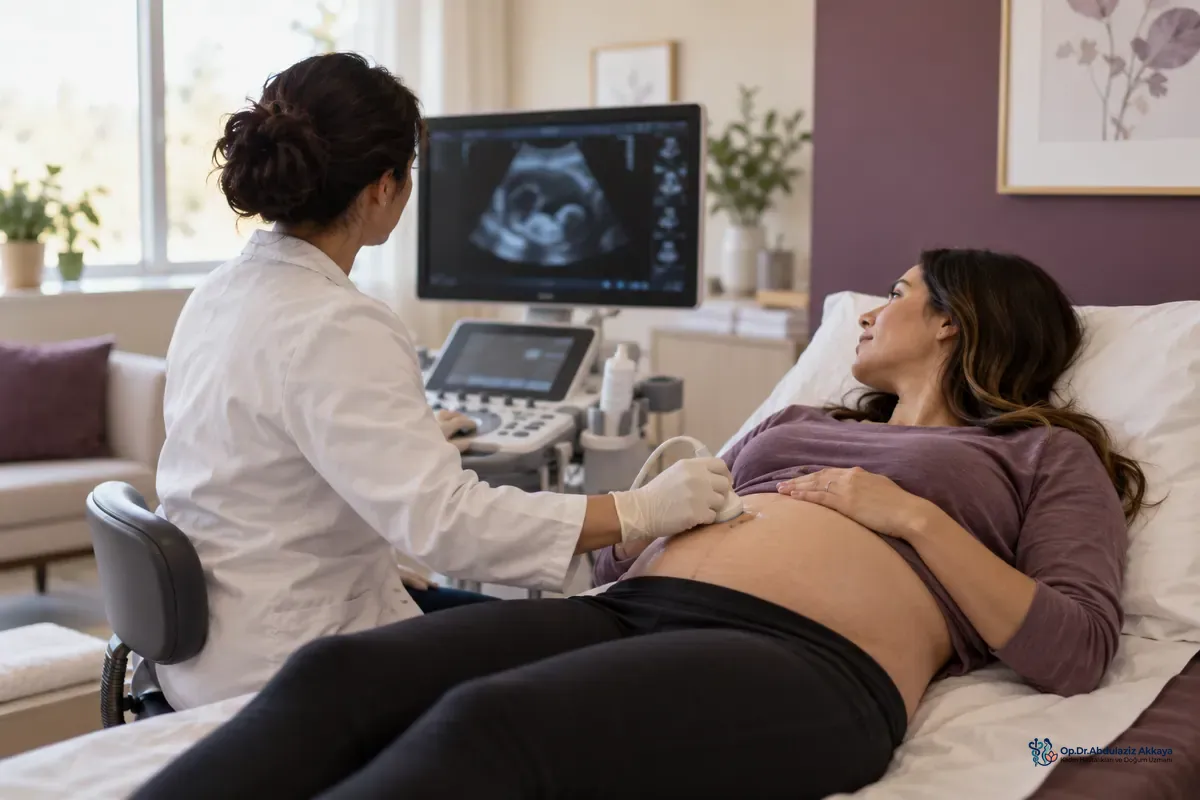
Frequency of follow-up and necessary examinations vary from person to person. It is a visual representation.
Why does follow-up continue after birth?
After birth, blood sugar returns to normal in most people; However, having diabetes during pregnancy increases the risk of developing type 2 diabetes in the future. Therefore from birth75 gram OGTT after 4–12 weeksRe-evaluation is recommended. Even if the result is normal, it is appropriate to be screened for diabetes every 1-3 years throughout life.
Healthy nutrition, regular exercise and appropriate weight management help reduce long-term risk. Breastfeeding is also beneficial for mother and baby. If a new pregnancy is planned, a physician should be consulted for pre-pregnancy blood sugar evaluation.
Frequently asked questions
Does gestational diabetes occur only by eating sweets?
No. The basic process is increasing insulin resistance during pregnancy. Nutritional habits are important in blood sugar management, but it is not correct to attribute the diagnosis to only one food.
Will I become addicted if I use insulin?
No. Whether the insulin started due to gestational diabetes will be continued after birth is re-evaluated according to the blood sugar results.
What happens if only one value is high in the test?
This depends on the test and diagnostic criteria used. A high value in the 75-gram single-stage test may be sufficient for diagnosis; In the two-stage method, the result is evaluated differently. Discuss your report with your physician.
If diagnosed, will my baby be affected?
No. Risks vary from person to person. Proper blood sugar control and pregnancy monitoring help reduce potential problems.
If you have been diagnosed with gestational diabetes, clarify your results, measurement plan and postpartum control date with your follow-up physician. This article does not replace a personal examination or treatment plan.
Sources:ADA 2026 diagnostic criteria;ADA 2026 diabetes management during pregnancy;ACOG patient information;NICE NG3;TEMD diabetes information.
Comments and questions
Gebelik diyabeti tanısı konursa yalnızca şekerli yiyecekleri bırakmak yeterli mi?
Tek başına yeterli olmayabilir. Beslenme, hareket, kan şekeri izlemi ve gerekirse tedavi kişisel bir planla yürütülür. Kontrol hedeflerinizi takip ekibinizle belirleyin.