




PREGNANCY AND BIRTH
Lifestyle and fertility
The chances of pregnancy (fertility) are also related to women's lifestyle and there are many factors that increase or decrease it.
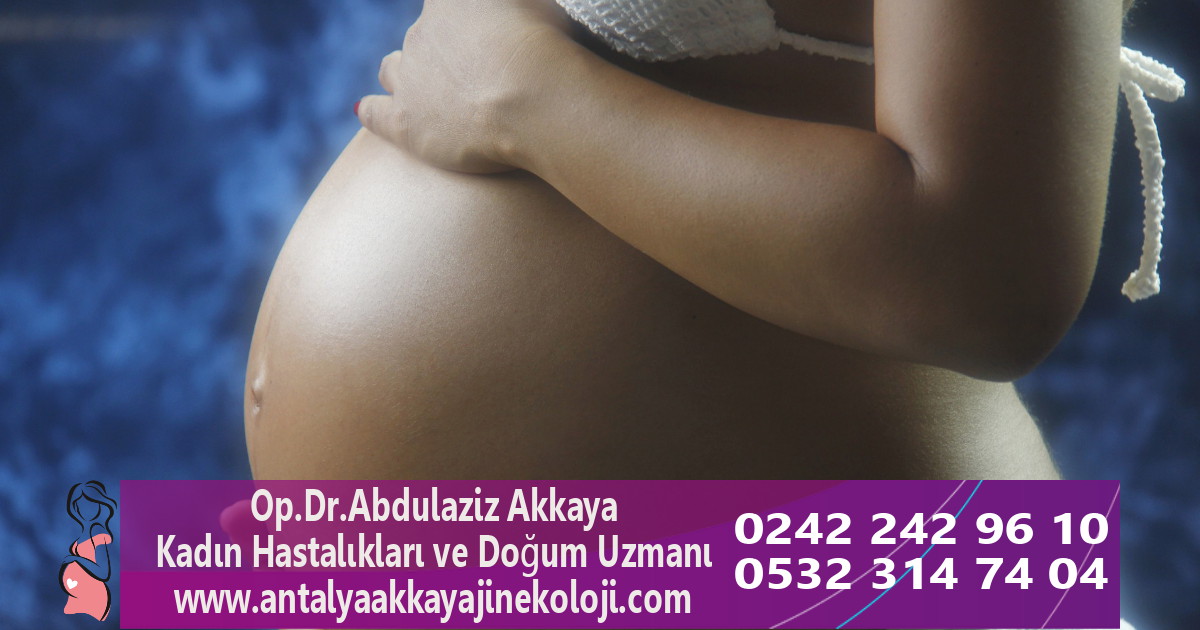
The chances of pregnancy (fertility) are also related to women's lifestyle and there are many factors that increase or decrease it.
Smoking, obesity, excess weight, excessive exercise, alcohol, caffeine, environmental harmful substances, stress, the age of the expectant mother and sexually transmitted diseases negatively affect fertility.
Lifestyle affects fertility
FertileThere are many modifiable behavioral risk factors that negatively affect fertility in women of this age. . It is very important to be aware of these risk factors related to fertility, especially those that depend on lifestyles and are amenable to change.
For example, smoking can reduce fertility in women. Anovulation (failure to ovulate) may occur in women due to stress. Caffeine intake above 50 mg per day may reduce the chance of pregnancy.
Life styleThere is ample evidence of the negative effects of worms on reproductive performance.
Fertility
in womenfertility, being able to get pregnant and have a baby. in a womanfertilityIt begins with the onset of menstruation around the age of 13 and usually ends around the age of 45. However, potential fertility lasts until approximately age 51, that is, until menopause.
The number of eggs that a girl has in the womb at the age of 5 months is approximately 6-7 million, this number decreases to 1-2 million at birth, gradually decreasing in childhood and ovulating one egg per month from adolescence, this decrease continues until menopause, consuming an average of 350-400 eggs per month. These eggs are stored in fluid-filled spaces called follicles within the ovaries. When the little girl enters the reproductive age, monthly menstrual cycles begin. During each cycle, the ovary develops an egg. Rarely, there may be more than one. If this egg combines with the sperm cell from the man, pregnancy occurs.
Assoc. Dr. The study titled "The Effect of Lifestyle on Female Fertility" prepared by Füsun Terzioğlu:,***Effect of Lifestyle on Female Fertility:
Prepared by: Assoc. Dr. Füsun TerzioğluuLife styleand differences in individual characteristics have a direct impact on reproductive health. A woman faces various risks depending on her lifestyle and habits, and the effects of these factors on her reproductive system may be negative. The fact that lifestyle-related factors affect reproductive functions is gaining importance, especially since women's fertility characteristics are at the forefront and these effects are not limited to women only but are transferred to future generations.
Life style;It is a person's private lifestyle, defined as how he spends his time, his activities, his interests in the environment, and his views about himself and the world around him. The lifestyles of people in the same subculture, the same social class, and even the same profession may differ from each other. Lifestyle describes the person as a "whole" interacting with his or her environment, encompassing more than one's social class or personality traits. Health has an important place in the lifestyle of individuals. Because lifestyle affects health directly or indirectly. While a positive lifestyle protects and improves health, a negative lifestyle harms health. Individuals will take responsibility for their own health by determining their own lifestyle.
Factors related to lifestyle;They are situations or behaviors experienced now or in the past and can be changed. Lifestyle factors have a significant impact on overall health. An individual's lifestyle characteristics such as smoking, alcohol and caffeine consumption, weight, nutrition and exercise habits, psychological stress level, exposure to environmental teratogens and chemicals, and traditional practices can change the general health and well-being status. The ways in which all these lifestyle characteristics affect a woman's reproductive performance are summarized below.
Cigarette:Smoking negatively affects women's reproductive health and functions by causing 39% miscarriage, 30% osteoporosis, 27% ectopic pregnancy, 22% infertility and 17% early menopause. Of the 10 couples who do not use any contraception and have regular sexual intercourse, 8 can become pregnant within 12 months and 9 within 18 months. On the other hand, it takes longer for women who smoke to become pregnant, and this period increases by 10-40% depending on the amount of cigarettes consumed. The likelihood of infertility in women who smoke is approximately 10 times higher than in non-smokers.
Substances in cigarettes have toxic effects on the ovaries. In women who actively smoke or are passively exposed to cigarette smoke, benzopyrene, cadmium and cotinine, a metabolite of nicotine, reach the ovarian follicle and reduce the fertilization ability of the oocyte. Smoking is linked to increases in follicle-stimulating hormone (FSH) levels and decreases in estrogen levels.
Obesity:Obesity often occurs as a result of improper diet and insufficient exercise, and may result in a prolonged period of conception. The negative effects of obesity on reproductive functions are largely due to anovulation, amenorrhea and increase in androgen levels. The ovulatory factor of adolescents having a low body mass index may be associated with infertility. Obesity seen in adolescence is associated with lifelong nulliparity and nulligravida seen in middle age. Obesity prolongs the time it takes to get pregnant and may cause a decrease in fertility in women with regular menstrual cycles. Although the mechanism responsible for the low fertility rate seen in obese women is not fully explained, it is thought to be related to the increase in insulin levels.
Nutrition:Consuming a healthy diet containing appropriate compositions and sufficient calories; It is necessary to maintain optimal physical and psychological health and to maintain reproductive functions. Although the relationship between maternal nutritional status and adverse pregnancy outcomes has been shown in many studies, there are not many studies on the relationship between the nutritional status of the woman before pregnancy and fertility. It is emphasized that the diet taken before pregnancy can affect fetal health, and reproductive performance can also be positively affected by healthy dietary habits.
Exercise:Regular exercise programs not only provide physical fitness, but also make you feel good physically and spiritually. Exercise increases ovarian function and the chance of pregnancy by increasing insulin sensitivity. After adjustment for body mass index, an intense exercise program every week can reduce the risk of ovulatory infertility by 5%. This shows that there is evidence that physical activity can protect ovarian functions, regardless of body mass index. In a study conducted with obese and infertile women; It has been determined that losing weight, improving physical fitness, and psychological well-being increases ovulation and pregnancy rates. It is thought that the general health benefits of moderate exercise and a well-adjusted diet will also positively affect fertility.
Stress:Psychological stress is shown to be a cause of idiopathic infertility in both men and women. A common consensus has not been reached in terms of measuring and diagnosing psychological stress. Psychological stress can reduce a woman's reproductive performance by affecting the central nervous system, endocrine and immune systems. Pregnancy rates may decrease in cycles where stress is high. High stress levels in women may cause the number of fertilized oocytes to decrease.
Caffeine Consumption:Caffeine consumption (coffee, tea, soft drinks, chocolate) prolongs the time to conception. Although the mechanism for this is not clear, caffeine is thought to negatively affect fertility by targeting the corpus luteum and ovulation functions, which can alter hormone levels. Caffeine is also associated with an early increase in follicular E2 levels in women. In a multicenter study conducted in five European countries, it was determined that the risk of reproductive failure increased in women who consumed more than 500mg of caffeine per day. Caffeine consumption has been found to be associated with spontaneous abortion, endometriosis and tubal insufficiency.
Alcohol Consumption:Although its exact mechanism is not known, it is stated that alcohol reduces FSH secretion by causing an increase in estrogen levels and may cause suppression of folliculogenesis and ovulation. The mechanisms by which alcohol may harm pregnancy are not clear, but it is thought to cause a mechanism that suppresses folliculogenesis and ovulation, reduces FSH release, and triggers an increase in estrogen. In addition, there are studies showing that alcohol consumption negatively affects the development of the ovum, ovulation and blastosis.
Environmental Toxins:Although the majority of chemicals are used in our daily lives, we have information about the effects of very few of them on reproductive health. Environmental toxins and chemicals negatively affect fertility. For example; The negative effects of radiation on male and female reproduction have been demonstrated in many animal species as well as humans. The reproductive system in women and men is very sensitive to radiation. Because temporary or permanent sterility may develop depending on the dose and duration of radiation exposure.
Mobile Phones:Mobile phones have become indispensable devices in our daily lives. These phones operate between the 400 MHZ and 2000 MHZ frequency band and emit electromagnetic waves (EMW). Mobile phone companies have been assuring people for years that it is completely safe for them to use mobile phones. However, electromagnetic waves in mobile phones affect reproductive function through 3 mechanisms; i-specific effect of electromagnetic waves, ii-thermal molecular effect, and iii-combination of both substances. Temporary or permanent sterility occurs in the male and female reproductive systems, which are sensitive to radiation, depending on the dose, duration and flow rate of radiation.
Vaginal Shower:Vaginal douching is a traditional practice performed by women in many countries. Vaginal douching is known to be associated with an increase in ectopic pregnancy, chlamydia infection and pelvic inflammatory diseases. There is a positive relationship between the age of the woman and the use of vaginal douche and decreased fertility. There are also results showing that vaginal douching increases the risk of vaginal and cervical cancer.
In conclusion,life styleThere is ample evidence of the negative effects of worms on reproductive performance. However, directing individuals to change their lifestyle is a very difficult and challenging process. As nurses, who are the health personnel who work most closely with individuals in all areas of society, it is thought that providing effective and qualified consultancy and training services on acquiring and maintaining positive health habits will also contribute to the development of public health.
Comments and questions
Gebelik planlarken yaşam tarzında neleri gözden geçirmeliyim?
Sigara, alkol, beslenme, hareket, uyku ve kullanılan ilaçları değerlendirmek yararlı olabilir. Gebelik planı ve varsa uzun süren gebe kalma güçlüğü için sağlık profesyoneliyle görüşün.