




PREGNANCY AND BIRTH
Normal Birth
Antalya Gynecology and Obstetrics Specialist Op. Dr. Abdulaziz Akkaya, birth

Gynecology and Obstetrics Specialist Op. Dr. Abdulaziz Akkaya stated that birth is defined as the baby leaving the uterus after a pregnancy of at least 24 weeks, and that it is defined as birth before 24 weeks.lowHe said it was called.
Op.Dr. stated that a normal pregnancy period is 280 days or 40 weeks from the start of the last menstrual period. Abdulaziz Akkaya, “natural birthIt is the birth of a single baby alive vaginally between 37-41 weeks of pregnancy, with spontaneous uterine contractions, without harming the mother and the baby.” he saidnatural birthOp. states that the placenta and its membranes are spontaneously expelled from the uterus at least thirty minutes after the baby is born. Dr. Akkaya pointed out that leaving a piece of placenta in the uterus would cause bleeding and infection.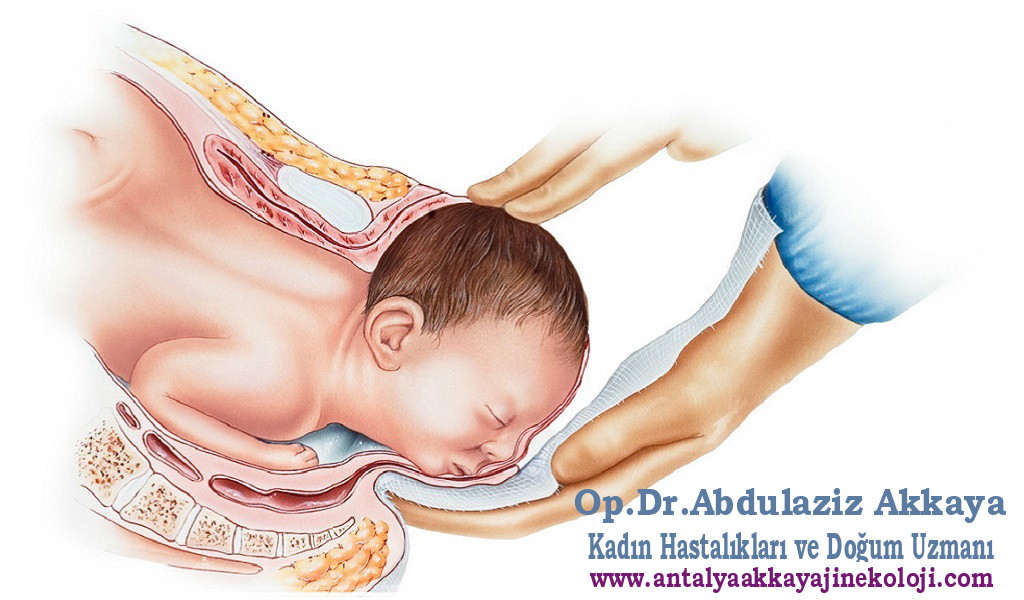
What are the symptoms that indicate that birth is approaching?
Antalya Gynecology and Obstetrics Specialist says that in the last months of pregnancy, the uterus rises up to the rib cage and breathing becomes difficult due to the pressure it exerts.Op. Dr. Abdulaziz Akkayapointed out that there may be stomach and intestinal complaints during this period.False labor pain
In first pregnanciesbirthone to two weeks before, in subsequent pregnanciesbirthAbout a few days before the baby's headbirthAs it settles into the canal, the height of the uterus decreases by 2-3 cm. This creates relief for the pregnant woman. It breathes easier. Stomach and intestinal complaints decrease. In addition, as the pressure in the bladder increases, frequent urination occurs. Starting from the 28th week of pregnancy, contractions and hardening occur in the uterus from time to time. These are normal and usually painless. Sometimes when it's painfulfalse labor painIt is called. These contraction exercises, in which the uterus prepares for birth, become quite frequent in the last weeks. These symptoms, which indicate that birth is approaching, may not be experienced or noticed by every pregnant woman. This situation is also normal.Appointment and ContactBeginning of labor and engagement
April, pain with contractions and/orscome to termsto usbirthindicates that the action has started. These three symptoms are not in order. It can be seen in different orders in every woman and in each birth of a woman.AprilIt is a jelly-like plug that keeps the cervix closed during pregnancy to protect the uterus and the baby from infections. When this plug falls out of the cervix, which expands due to contractions in the uterus, pregnant women may notice this as a slightly pinkish discharge. This is a sign among the public,April, called trace.Amniotic fluid coming out
The water sac that protects the baby may rupture due to stress and contractions. Therefore, amniotic fluid flows out of the uterus. If the water sac is torn in the upper area and in the form of abrasions, amniotic water may leak. Amniotic fluid is not thick and viscous like discharge, but fluid like water. It also has a unique smell. After the amniotic sac ruptures, it becomes easier for the baby and the mother's womb to become infected. Therefore, when water breaks or there is suspicion, it is necessary to go to the hospital immediately. If you have leaking or discharge from your vagina, call your doctor.Hardening and pain in the abdomen
BirthAntalya Gynecology and Obstetrics Specialist says that another symptom indicating the onset of labor is feeling pain along with hardening in the abdomen.Op. Dr. Abdulaziz Akkayanoted that these pains, which were initially mild, short-lived and infrequent, gradually became longer, more severe and more frequent.Pains becoming more frequent
Op. Dr. Akkaya,labor painsHe underlined that it is not necessary to go to the hospital immediately when it starts, but if the pains come approximately every 4-5 minutes, it is necessary to be in the hospital. Realbirth painsIt is not necessary to go to the hospital immediately when it starts. However, if your water breaks, bleeding occurs, and you suddenly experience frequent and severe pain, you should go to the hospital immediately. When pain occurs every five minutes, one should leave the house to go to the hospital.first stage of birth
It is the time it takes until the cervix, which has been closed throughout pregnancy, fully opens (10 cm) with the help of contractions so that the baby can be born. This phase is the longest phase of labor (approximately 8-10 hours). However, since contractions begin long before the pregnant woman realizes her pains, and some pregnant women have a high pain threshold, by the time the pregnant woman realizes her pains, even this phase has passed. This period is divided into two: passive and active period. a.Passive period: BirthIt is the longest period of the first and first phases. During this period, pain is rare and milder. This period is the firstbirthIt takes longer in pregnant women with this condition. It may last from a few hours to a day or two. During this period, if there are no other symptoms, it is unnecessary to go to the hospital. b.Active period:It is the period that begins after the cervix reaches approximately 3 cm dilation. The woman notices this period when her pain begins to become more frequent and its severity increases. During this period, when the pain begins to occur approximately every 5 minutes, one should go to the hospital. However, during this period, if excessive water flow, bleeding occurs, or any abnormal situation is noticed, one should immediately go to the hospital, regardless of the frequency of the pain. Towards the end of the first stage, that is, when the cervix opens to 8-9 cm, the pregnant woman feels straining along with the pains. IfbirthIf the doctor who will perform the procedure allows it, the woman can push. Premature pushing may prolong labor.second stage of labor
The baby's cervix is fully dilatedbirthIt's the time until now. This period is between half and two hours. During this period, if the woman pushes strongly, it shortens the duration. Pushing is effective if it fits the technique. Otherwise, it will only cause the mother to get tired.BirthThis period of pregnancy is a period when the mother actively participates in the birth. When the pain is at its strongest, the pregnant woman takes a deep breath, closes her mouth without expelling the air, and strains strongly. While pushing, the hips and waist are in the "C" position, the chin is placed on the chest, and the baby is pushed towards the anus with all his strength. Straining should continue throughout the pain, and should not strain and relax when the pain passes. While the baby's head is being born, the pregnant woman is told not to strain, but the feeling of straining continues. To prevent straining, open the mouth and take short, forceful breaths.third stage of labor
It is the time between the birth of the baby and the birth of the placenta. (30 to 45 minutes). After the placenta comes out, it is checked to see if it is complete. in uteroplacentaIf any part remains, it will cause bleeding and infection. If an incision has been made, it will be stitched. Generally, mothers feel great comfort, happiness and fatigue at this stage. Then, the mother is cleaned and checked for bleeding and taken to her room. In the first few hours, bleeding control, blood pressure, pulse and other findings are checked. Meanwhile, if she could not breastfeed her baby in the delivery room, she can pet and breastfeed her baby in her room.
How is the type of birth evaluated?
The birth plan is created according to the course of pregnancy and the health status of the mother and baby. General information about vaginal birth and cesarean section is not a substitute for individualized evaluation or clinical decisions made during labor.
For preparationpregnancy trackingAndsigns of birthYou can read the titles.birth methodsThe article also looks at the subject from a different perspective.
Questions about the cost of normal birth in 2026 cannot be answered with a single amount without knowing the personal care needs and the conditions of the health institution where the birth will take place.
Source:ACOG, Labor & Delivery.
Comments and questions
Normal doğum için önceden kesin karar verilebilir mi?
Doğum planı yapılabilir ancak süreçte anne ve bebeğin durumu değişebilir. Olası müdahaleleri ve alternatifleri doğum ekibiyle önceden konuşun.