




PREGNANCY AND BIRTH
Second trimester of pregnancy
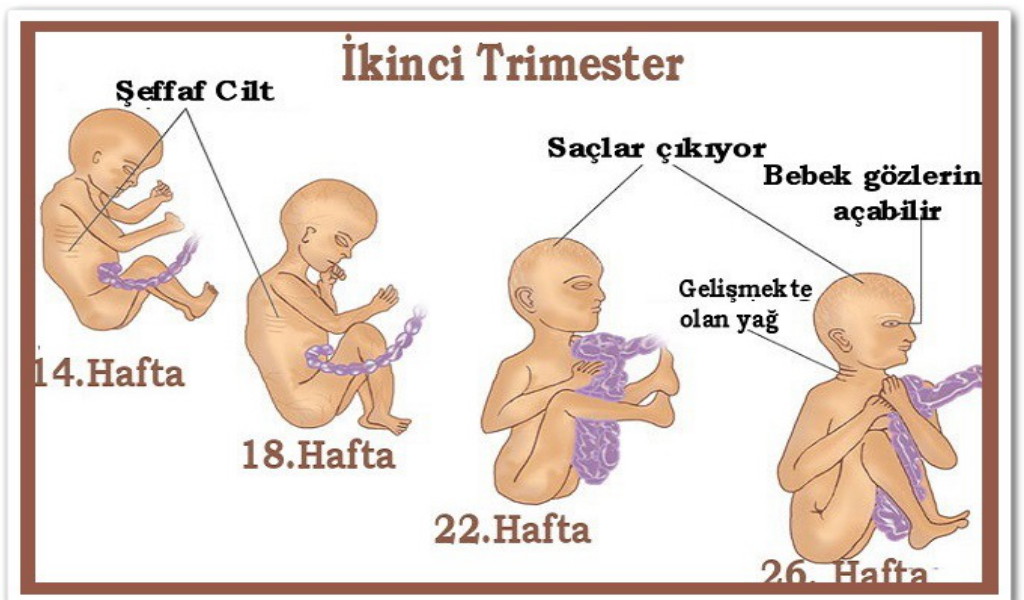
Second trimester of pregnancy: 13th to 26th. The period between weeks four and six (the period between the fourth and sixth months) of pregnancy
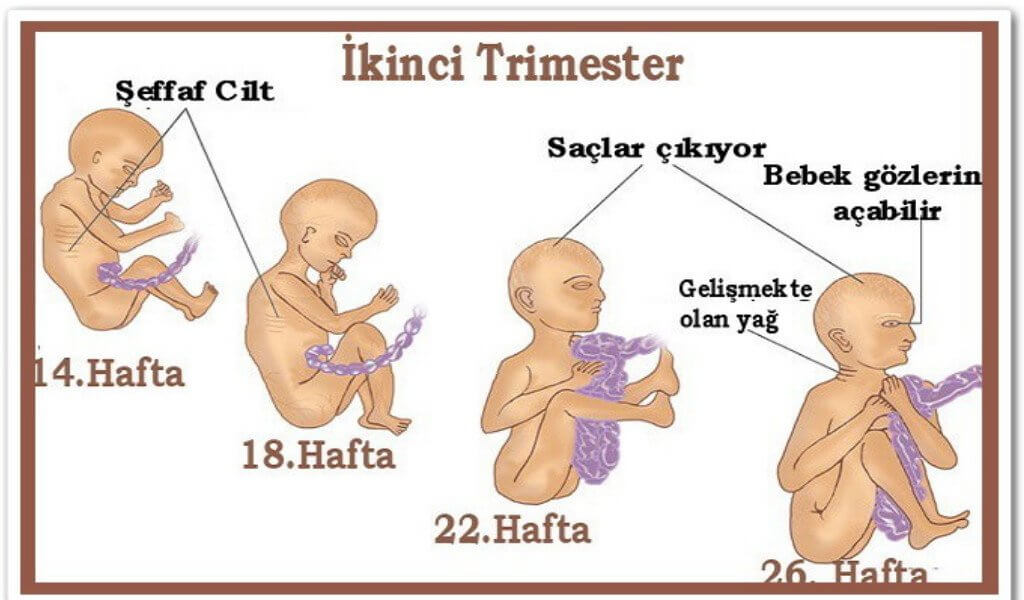
Second trimester of pregnancy: 13th to 26th. The period between weeks four and six (the period between the fourth and sixth months) of pregnancy
second trimesterIt is called. In the second trimester of a normal pregnancy i.e.second trimesterThere are fewer tests being done now.
Screening tests
Growing breasts, a growing abdomen, and skin changes can be stated as the main changes that can be seen in the expectant mother. The baby will start to kick, make facial expressions and hear in these months.
second trimesterA triple or quadruple screening test is performed in the teenage years. In these tests, AFP, HCG, Estradiol and inhibin-A values in addition to the quadruple test are checked in the expectant mother's blood. These tests, performed between the 17th and 19th weeks of pregnancy, attempt to determine the risk level for some chromosomal diseases. If the risk level is low as a result of the test, it can be said that it is a healthy pregnancy in general. However, in high-risk cases, diagnostics such as amniocentesis may be required.
Thissecond three aAs the baby grows, pregnancy manifests itself more physically. The expectant mother has gained weight, her belly has become visible, the gender of her baby has been learned, and preparations for the baby are slowly starting to be made. In the second trimester, you should continue to have monthly ultrasound checks. The baby began to be seen more clearly in ultrasound examinations; The baby can move more thanks to its developing muscle system. The expectant mother can understand the baby's movements by the muscle twitches she feels in her abdomen.The baby's gender is now known
As we mentioned abovesecond trimesterDuring this period, the gender of the baby can be learned with certainty.
During this period of pregnancy, both the baby and the placenta need more iron due to increased blood volume. In the second trimester of pregnancy, it is checked whether the mother has anemia. If necessary, iron supplementation is started for the expectant mother.
pregnancysecond trimesterNow the mother begins to gain weight faster. Thus, as your belly grows, your skin may stretch, resulting in cracks and itching. Varicose veins may develop in the legs of the expectant mother.
The baby is felt well
second trimesterThe 20th week of pregnancy is the middle of the total pregnancy. During this period, the expectant mother begins to feel her baby better. The baby is very active in the womb. In fact, in some cases, when the baby is asleep, the expectant mother becomes disturbed and anxious about the baby not moving. Meanwhile, all the baby's systems are now working. Towards the end of the second trimester, the baby begins to hear sounds coming from outside.
second trimesterPregnancy complaints are greatly reduced. As fatigue, nausea and vomiting gradually disappear, the expectant mother now regains her old energy.
dentist examination
In the second trimester, the expectant mother should be examined by the dentist. If there is any problem with the teeth, for example untreated dental and gum diseases, it increases the risk of high blood pressure and premature birth during pregnancy.
Comments and questions
İkinci üç ayda hangi kontroller planlanır?
Takip planında bebeğin gelişimi, anne sağlığı ve uygun taramalar değerlendirilir. Hangi testlerin size gerektiğini gebelik haftanız ve önceki sonuçlarla birlikte hekiminize sorun.