



SAĞLIK REHBERİ
Current General Information About HPV
HPV, also known as genital human papilloma virus, is a sexually transmitted infection.
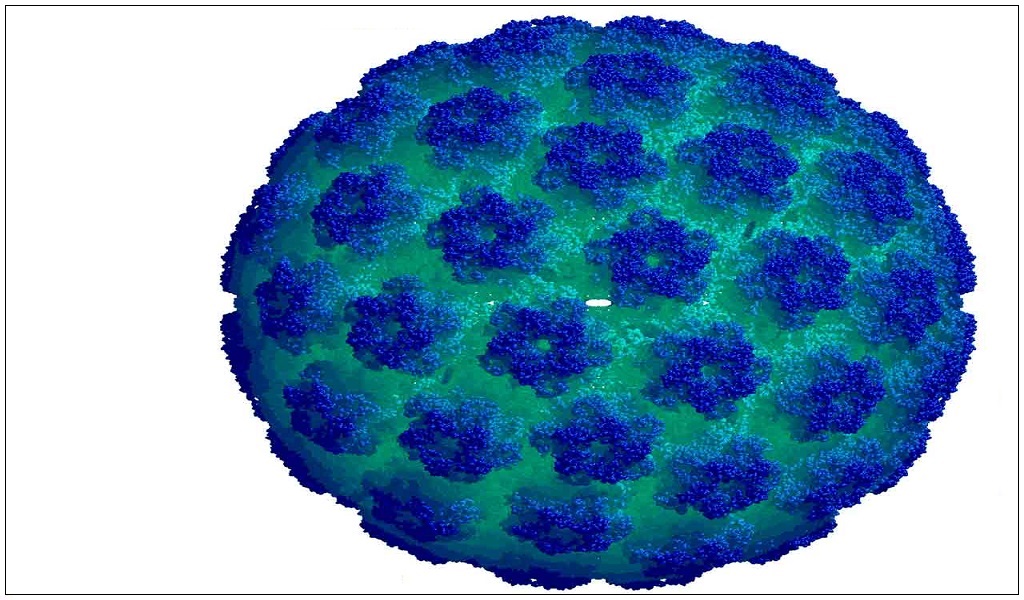
HPV, also known as genital human papilloma virus, is a sexually transmitted andgenital wartIt is a viral infection that is responsible for the formation of condylomas, also known as condylomas, and should be taken seriously.
In recent years, it has been seen with increasing frequency in our country, especially among young people. Significant increases are also observed in those applying for treatment with complaints of genital warts.
genital warts
Genital warts and HPV virus infection occur more frequently in the genital area, around the anus, and rarely in the mouth, in both men and women. These warts or also known as condyloma structuresHuman Papilloma VirusThey are painless masses and papillary formations that appear as a result of (HPV) infection, with a cauliflower appearance, sometimes single, sometimes multiple, sometimes as small as a pin head, and sometimes up to 4 cm in diameter (in rare cases, very large diameter).
HPV
HPV (human papilloma virus, genital human papilloma virus,hpv virus) is a type of virus that infects the genital area, skin and mucosa and causes the formation of wart-shaped masses called condyloma acuminatum (condyloma acuminatum, condyloma, conduloma, condyloma). As with many viral diseases, once the HPV virus enters the body, it settles in the cells and causes recurrent infections, occasionally causing flare-ups. Therefore, although HPV infection is considered a disease with no definitive treatment, in recent years it is thought that some types can be eliminated from the body and disappear in infection within a period of 4-5 years.
An article titled "Current General Information About HPV" was published on the official website of the Turkish Gynecology and Obstetrics Association.
Current General Information About HPV
Cervical cancer causes the death of more than 274,000 women in the world every year and is ranked 2nd in the list of cancers among women in developed countries [1]. Risk factors of cervical cancer can be listed as HPV infection, smoking, polygamy, multiple births, low education level, sexual intercourse at an early age, presence of genital herpes virus, frequent douching in the vagina, taking drugs that suppress the immune system, nutritional factors and genetic factors. Among all these risk factors, HPV infection stands out as the main factor[2-4]. Other risk factors act as cofactors by increasing the risk of cancer development [5]. Cofactors; It can be classified as environmental (use of tobacco products, long-term use of birth control pills, multiple births, threshold of other sexually transmitted diseases[6-9]), viral (amount of viral load, HPV-like viruses) and unknown (genetic factors, state of the immune system). The cancer-virus relationship was identified in the studies of Harald zur Hausen in the 1980s[10,11]. Subsequently, HPV DNA fragments were detected in cancer cells[12].
At least 30 out of 100 HPV types detected today infect the cervix [13,14]. When the virus is classified according to its ability to cause disease, 16, 18, 45, 31, 33, 52, 58, 35, 59, 56, 51, 39, 68, 73, 82 are high risk; 26, 53, 66 medium risk; 6, 11, 40, 42, 43, 44, 54, 61, 70, 72, 81, CP6108 are considered low risk. HPV virus is transmitted through sexual intercourse and infects cervical cells. The virus, with the genes it contains, causes the cell it infects to become immortal and continuously multiply, that is, to turn into a cancer cell. Today, the effects of the virus on the cell and the stages of cancer formation are clearly known. The presence of the virus is necessary for the development of cancer.
When patients with cervical cancer were examined, HPV virus was detected in 96.6% of the patients. In patients without cervical cancer, this rate is only 15.6%[15]. In research, the most common types of HPV 16, 18, 31, 33, 35, 39, 45, 51, 52, 56, 58 were detected in cervical cancer. In the research of the International Cancer Research Agency (IARC), the coexistence of HPV 16 and 18 in cervical cancer was found at a rate of 70% [15,16,17]. In our country, the total incidence of HPV 16 and 18 is 75.4%[18]. Following this, HPV 33, 45, 31, 58, 52, and 35 were detected in order of frequency, and the frequency rates are similar between continents. When we add up the prevalence rates of the type of HPV viruses contained in the nine-valent vaccine in cervical cancer, it reaches around 88% [17]. HPV types 6 and 11 are encountered in genital warts rather than cervical cancer and are responsible for 90% of genital warts [19,20].
Infectious changes occur following infection with the HPV virus. Although the onset time of the infection varies depending on the effects of many cofactors, it is generally three weeks. The virus is not detected intensively in the blood after infection (it does not cause viremia). It escapes from the cells that increase the immune response in our body (antigen-presenting cells) and does not cause inflammation. After HPV infection, an immune response occurs, although it is not very strong, andHPV infectionOn average, 70% of it is cleared from the body within a year, and 90% within two years. In 10% of patients, the virus cannot be cleared from the body. Antibody levels formed after natural immunity decrease rapidly and are not protective [21]. In other words, a woman who has been infected with a certain type of HPV and cleared the virus with her immune system can be infected with the same type again. Inadequate natural immunity and increasing cases of cervical cancer have led the world to discover vaccines that provide permanent immunity.
Vaccines used today consist of virus-like particles (VLP). The genetic material of the virus is not contained in the vaccine and is unlikely to cause disease.
According to current phase 3 studies, the known protective period of the vaccine is 8.5 years. Antibody levels after eight years are quite high. It is not currently known how long the immune response provided will continue; time is needed for this. Therefore, it is not clear when to give additional doses and at what intervals.
Studies have found that an additional dose administered in the 5th year will provide protection for many years [22], but currently, a repeat dose in the fifth year is not recommended. Mathematical models made with immune memory studies suggest that the protection will continue for 20 years [23,24,25].
32 deaths were reported in clinical studies worldwide[26]. None of these deaths are related to the vaccine. Causes of death are viral diseases; acute myocarditis (inflammation of the heart muscle), meningoencephalitis (inflammation of the brain membrane), influenza B viral sepsis, heart arrhythmia (rhythm disorder) due to cardiomyopathy, diabetic ketoacidosis (diabetic coma), epilepsy crisis (epilepsy) in a patient diagnosed with epilepsy, pulmonary embolism (lung clot), DVT, high dose of medication in cases with drug habit, traffic accident, other drugs, murder. has been made. Vaccine-related side effects include redness, minimal pain, swelling and mild fever.
The disease develops slowly
cervical cancerIt is a slowly developing disease. It may take years for cancer to develop following the formation of precancerous lesions. Preventing and monitoring precancerous lesions is essential to ensure success in the fight against cervical cancer. Genital warts and cervical cancer precursor lesions were evaluated in studies conducted around the world after vaccination. In a study conducted in Australia, genital wart rates in young women under the age of 21 were around 14% in 2007, when vaccination started, and approached zero in the second half of 2011. Of course, the impact of the Australian government's inclusion of the vaccine in the national vaccination program for both boys and girls should not be overlooked in this success. The rate of genital warts in men has decreased by 35%[27]. A significant decrease was observed in the number of cervical cancer precursor lesions in girls under the age of eighteen and approached zero [28]. New Zealand data are similar to Australian data[29]. In California, the diagnosis of genital warts in women under the age of 21 decreased from 0.94% to 0.61%. HPV 16/18 infection rates in young women in Belgium have decreased significantly. In the PATRICIA study, which followed 18644 women who received double vaccination worldwide, a 92.9% reduction in HPV16 and 18-related cervical precursor lesions was achieved after 35 months of follow-up [30]. In the FUTURE 2 study, in which 12,167 patients were followed, the effectiveness against HPV 16 and 18 was found to be 100% in the quadruple vaccine [31]. Similar results are announced from all European countries. Reducing the precursor lesions of cervical cancer and preventing HPV 16 and 18, which are found in 75% of cervical cancers, will lead us to the conclusion that cervical cancer will decrease. The use of the vaccine that provides immunity against 9 viruses that cause cervical cancer will further reduce the risk of cancer.
There is no test to show which virus types patients have previously encountered before vaccination. The patient may have a precancerous lesion at the time of vaccination, or may become infected after vaccination with a virus type that the vaccine does not contain. Therefore, smear tests should be continued after vaccination. Vaccinating patients with precancerous lesions is beneficial in preventing the woman from getting sick again after the lesion will probably regress on its own. The vaccine also reduces the likelihood of post-treatment recurrence of lesions requiring treatment.
The aim is to provide protection against all types of viruses that are likely to cause cancer. It is natural that we, who have no choice other than what technology and pharmaceutical companies offer us, turn to the most powerful weapon we have. In the future, when we have more powerful weapons, we will use them in the fight against cancer, but until then we have to make do with the best we have.
1-Frazer IH. Prevention of cervical cancer through papillomavirus vaccination. Nature Rev Immunol2004;4:46-54.
2-Munoz N, Bosch FX, de Sanjose S, et al. The causal link between human papillomavirus and invasive cervical cancer: a population-based case-control study in Colombia and Spain. Int J Cancer 1992;52:743–9.
3-Bosch FX, Manos MM, Mun oz N, et al. Prevalence of human papillomavirus in cervical cancer: a worldwide perspective. International biological study on cervical cancer (IBSCC) Study Group. J Natl Cancer Inst 1995;87:796–802.
4-Walboomers JM, Jacobs MV, Manos MM, et al. Human papillomavirus is a necessary cause of invasive cervical cancer worldwide. J Pathol 1999;189:12–9.
5-Munoz N, Castellsague 'X, Berrington A, et al. Chapter 1: HPV in the etiology of human cancer. Vaccine 2006;24S3:S3/1–10.
6- Castellsague ´ X, Mun oz N. Chapter 3: cofactors in human papillomavirus carcinogenesis-role of parity, oral contraceptives, and tobacco smoking. J Natl Cancer Inst Monogr 2003; 31:20–8.
7-Palefsky JM, Holly EA. Chapter 6: immunosuppression and coinfection with HIV. J Natl Cancer Inst Monogr 2003;31:41–6.
8-Smith JS, Herrero R, Bosetti C, et al; International Agency for Research on Cancer (IARC) Multicentric Cervical Cancer Study Group. Herpes simplex virus-2 as a human papillomavirus cofactor in the etiology of invasive cervical cancer. J Natl Cancer Inst 2002;94:1604–13.
9-Smith JS, Bosetti C, Munoz N, et al; International Agency for Research on Cancer (IARC) Multicentric Cervical Cancer Study Group. Chlamydia trachomatis and invasive cervical cancer: a pooled analysis of the IARC multicentric case-control study. Int J Cancer 2004;111:431–9.
10-zur Hausen, H., Schulte-Holthausen, H., Wolf, H., Dörries, K., Egger, H., 1974b. Attempts to detect virus-specific DNA in human tumors. II. Nucleic acid hybridizations with complementary RNA of human herpes group viruses. Int. J. Cancer 13, 657–664.
11-zur Hausen, H., 1977. Human papilloma viruses and their possible role in squamous cell carcinomas. Curr. Ball. Microbiol. Immunol. 78, 1–30
12- Durst M, Gissman L, Ikenberg H, zur Hausen. A papillomavirus, DNA- from a cervical carcinoma and-its – prevalence in cancer biopsy samples from different geographic regions. Proc. NatL Acad. Sci. USA 1983;80:3812-5
13-Bernard HU. The clinical importance of the nomenclature, evolution and taxonomy of human papillomaviruses. J Clin Virol 2005;32 (suppl 1):S1–6.
14-Doorbar J. Molecular biology of human papillomavirus infection and cervical cancer. Clin Sci 2006;110:525–41.
15-Munoz N, Bosch FX, de Sanjose 'S, et al; International Agency for Research on Cancer (IARC) Multicentric Cervical Cancer Study Group. Epidemiologic classification of human papillomavirus types associated with cervical cancer. N Engl J Med 2003;348:518–27.
16-Smith JS, Lindsay L, Hoots B, et al. Human papillomavirus type distribution in invasive cervical cancer and high-grade cervical lesions: a meta-analysis update. Int J Cancer 2007; 121:621–32.
17-Munoz N, Bosch FX, Castellsague ´ X, et al. Against which human papillomavirus types shall we vaccinate and screen? The international perspective. Int J Cancer 2004; 111:278–85.
18-Usubütün A, Alemany L, Küçükali T, et al. Human papillomavirus types in invasive cervical cancer specimens from Turkey. Int J Gynecol Pathol 2009;28:541-8.
19- G Clifford, S Franceschi, M Diaz, N Munoz. Chapter 3: HPV type-distribution in women with and without cervical neoplastic diseases.
20- Dianzani C, S Calvieri, A Pierangeli, Deneger AM. Identification of human papilloma virus1uses in male dysplastic genital lesions. The new Microbiologica 2004; 27:65-69.
21-Viscidi RP, Schiffman M, Hildesheim A, et al. Seroreactivity to human papillomavirus (HPV) types 16, 18, or 31 and risk of subsequent HPV infection: results from a population-based study in Costa Rica. Cancer Epidemiol Biomarkers Prev 2004;13:324 – 7.
22-Chen W, Huang L. Induction of cytotoxic T-lymphocytes and antitumor activity by a liposomal lipopeptide vaccine. Mol Pharm 2008 may-june;5:464-71.
23-Liao CW, CA Chen, CN Lee, YN Su, MC Chang. Fusion protein vaccine by domains of bacterial exotoxin linked with a tumor antigen generates potent immunologic responses and antitumor effects. Cancer research, 2005;65:9089-98.
24- Liu B, D Ye, X Song, X Zhao, L Yi, J Song, Z Zhang. A novel therapeutic fusion protein vaccine by two different families of heat shock proteins linked with HPV16 E7 generates potent antitumor immunity and antiangiogenesis. Vaccine 2008;26:1387–1396.
25-Einstein MH, AS Kadish, RD Burk, MY Kim. Heat shock fusion protein-based immunotherapy for treatment of cervical intraepithelial neoplasia III. Gynecologic Oncology 2007; 106:453–460.
26-The Vaccine Adverse Event Reporting System (VAERS), The Vaccine Safety Datalink (VSD), The Clinical Immunization Safety Assessment (CISA) Network
27- Donovan B, N Franklin, R Guy, AE Grulich. Quadrivalent human papillomavirus vaccination and trends in genital warts in Australia: analysis of national sentinel surveillance data. The Lancet Infectious Diseases 2011;11:39–44.
28- Brotherton, J. M., et al. “Human papillomavirus vaccine coverage among female Australian adolescents: success of the school based approach.” Med J Aust 199.9 (2013): 614-617.
29-Oliphant, Jeannie, and Nicky Perkins. “Impact of the human papillomavirus (HPV) vaccine on genital wart diagnoses at Auckland Sexual Health Services.” Journal of the New Zealand Medical Association 124.1339 (2011).
30-Paavonen, Jorma, et al. “Efficacy of human papillomavirus (HPV)-16/18 AS04-adjuvanted vaccine against cervical infection and precancer caused by oncogenic HPV types (PATRICIA): final analysis of a double-blind, randomized study in young women.” The Lancet 374.9686 (2009): 301-314.
31-Future II Study Group. “Prophylactic efficacy of a quadrivalent human papillomavirus (HPV) vaccine in women with virological evidence of HPV infection.” Journal of Infectious Diseases 196.10 (2007): 1438-1446.
Comments and questions
HPV pozitif bir sonuçla nasıl bir takip planı yapılır?
Tek bir takip süresi herkese uymaz. HPV tipi, hücre testi sonucu, yaş ve geçmiş taramalar birlikte değerlendirilir. Sonuç belgenizi hekiminize göstererek kişisel takip planınızı öğrenin.