




PREGNANCY AND BIRTH

Cesarean Birth

Birth by Caesarean section is the removal of the baby from the mother's womb by opening the uterus.
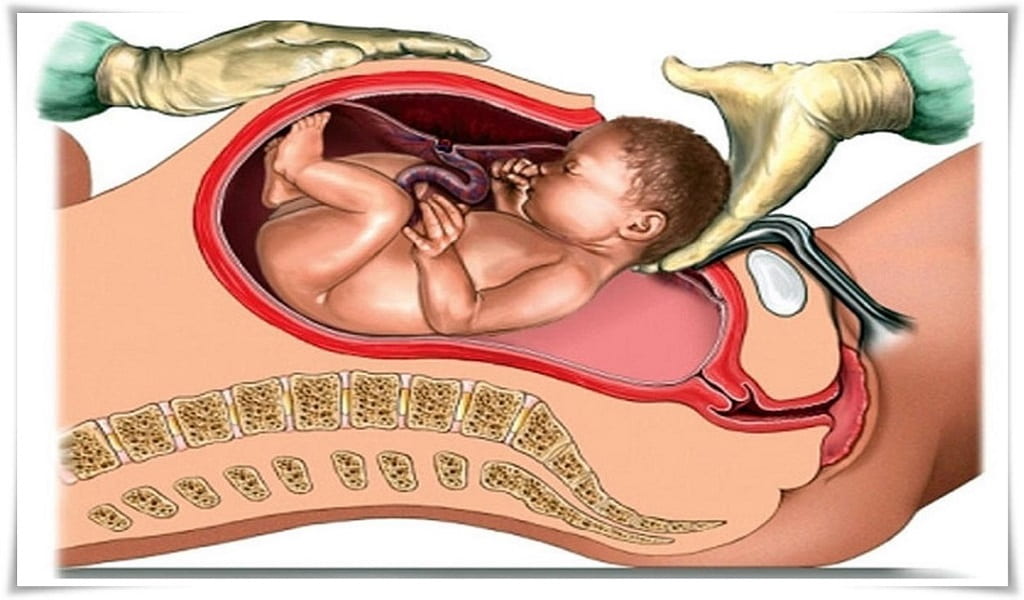
Cesarean Birth
Cesarean birth is the process of removing the baby from the mother's womb by opening the uterus. If normal birth, that is, vaginal birth, cannot occur cesarean sectionBirth is given with .Normal BirthIn impossible situations, the health/life of the mother and baby is under threat One of the oldest known surgeries is Caesarean birth. Today, with the developments in medicine and technology,cesarean surgerytechniques are also quite advanced.  It has been a procedure almost as risk-free as normal birth. It takes approximately 45 minutes under normal conditions.In cesarean birth surgery; The baby is removed 10 minutes after the surgery begins.  After the baby is removed, the eight layers of the cut are stitched together. To reach the baby, 8 layers are cut, starting from the skin.

These layers

  1. Skin,
  2. Subcutaneous fat tissue,
  3. Protective sheath of muscles,
  4. muscle layer,
  5. inner abdominal membrane,
  6. uterine membrane,
  7. uterine muscle,
  8. amniotic membrane
  For more information about Cesarean Birthcontact us. >>     

İlgili okumalar

\n\n

Op. Dr. Abdulaziz Akkaya portresi

Editor

Op. Dr. Abdulaziz Akkaya

Specialist in gynaecology and obstetrics

This article is for general information and does not replace an examination or treatment advice. Speak with your doctor about health questions.

Comments and questions

  1. Tem***

    Sezaryenden sonra iyileşme süresi herkes için aynı mı?

    CLINIC REPLY

    Hayır. İyileşme kişisel duruma ve ameliyatın seyrine göre değişir. Yara bakımı, hareket, ağrı kontrolü ve hangi belirtilerde başvuracağınız konusunda taburculuk talimatlarını izleyin.

Write a comment

Comments are reviewed before publication. Please do not include personal health information. Book an appointment for medical questions.

Your name will be partly hidden when published.

Contact

Start with
reliable information.

Güllük Caddesi Fatih Apt. No:3/9, 07230 Muratpaşa, Antalya, Türkiye

\n

QUESTIONS AND ANSWERS

Explore all questions

For general information. It does not replace personal assessment or diagnosis.

01Can increased discharge during pregnancy be normal?

Thin, clear or milky white discharge without foul odor may increase. If you have bad odor, discoloration, itching, pain or bleeding in the urine, contact your healthcare professional.

02What should be done if the baby's movements decrease?

If you feel a significant decrease in your baby's usual movement patterns, contact your birth team on the same day. It is not appropriate to wait for a long time with home methods.

03In what cases are groin and pelvic pain important?

Severe, recurring or increasing pain; If it is accompanied by fever, fainting, heavy bleeding, suspicion of pregnancy or vomiting, it should be evaluated without delay. The cause of pain cannot be determined by looking at symptoms alone.

04How is the frequency of pregnancy checks determined?

Frequency of follow-up is individualized according to the week of pregnancy, the health status of the mother and baby, and risk factors. Chronic disease, multiple pregnancy or problems developing during pregnancy may require more frequent check-ups.

05Are smear and HPV test the same thing?

No. The smear test looks for cellular changes in the cervix, and the HPV test looks for high-risk virus types. Which test to do and when is determined by age, previous results and the national screening program.

English
TürkçeDeutschРусский