




SAĞLIK REHBERİ
Non-menstrual bleeding
Menstruation, or in other words, menstrual bleeding, is the period of puberty in women.
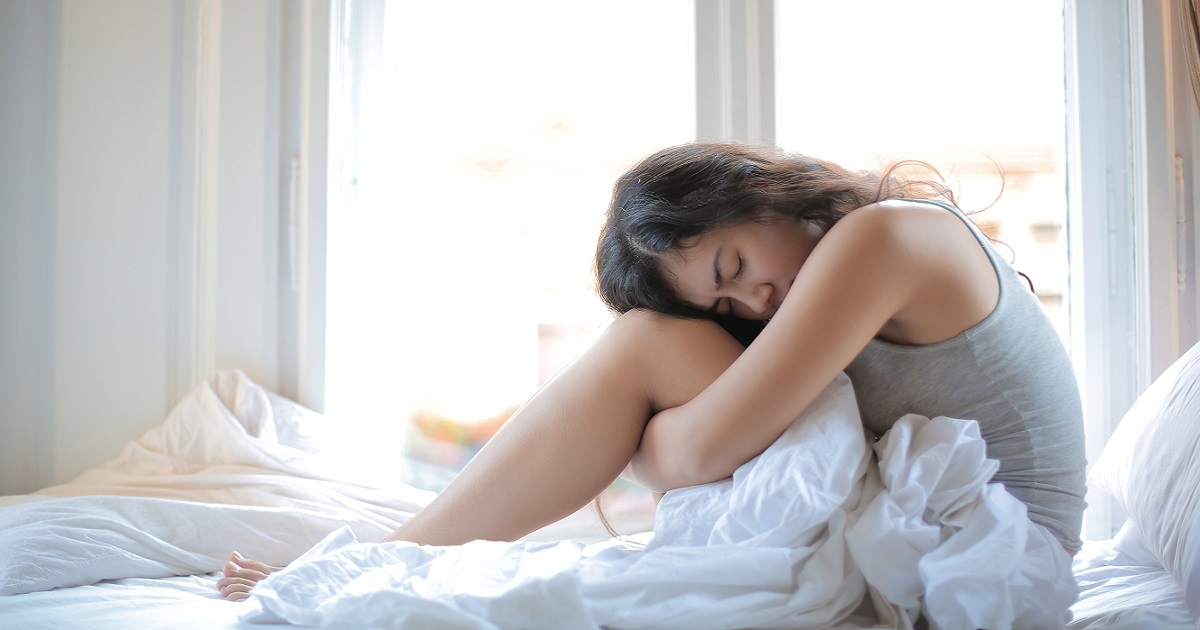
Menstruation, or in other words menstrual bleeding, can be defined as the periodic shedding of the layer called endometrium, which lines the inner layer of the uterus, in women, starting from adolescence and continuing until menopause.
Hormone is the main factor
The main factor that determines the regularity of menstrual bleeding is the hormonal order in women and the ovarian activities that ensure this hormonal order; The most important of these is the event we call ovulation.
Before talking about non-menstrual bleeding, we need to define normal menstrual bleeding. Normal menstrual bleeding is bleeding that recurs every 21-35 days (on average every 28 days), lasts 3-7 days, and has a total amount of 35-50 ml on average.
It's a symptom, not a disease
Extra-menstrual bleeding is a very common problem and we can easily say that it is one of the most common reasons for applying to a gynecologist. I would especially like to point out that non-menstrual bleeding is a symptom, that is, a reflection of an underlying problem. For this reason, we recommend women who apply to us with this complaint.extramenstrual bleedingWe investigate in detail the reasons that may cause it, especially the primary reasons according to the age group it falls into. The problems we identified as a result of this research can vary in a wide range, from hormonal irregularities to cancers of the female reproductive organs.
It is collected under two main headings
Non-menstrual bleedingThey are grouped under two main headings according to their reasons.
These; Bleeding due to disorders of hormones (anovulation) or coagulation-related functions (idiopathic thrombocytopenic purpura, von Willebrand) and organic pathologies that can be detected by visual or microscopic examination (myoma, thickening of the uterine lining and cancers) that develop in the female reproductive organs.
Extramenstrual bleeding can be diagnosed according to the age group of the patient: childhood-adolescence, reproductive age, menopause and post-menopausal periods.non-menstrual bleedingWe can classify it as . In fact, interestingly, this problem can occur in babies who are only a few days old. The reason for this situation, which is a serious cause of anxiety in families, often occurs as a result of the estrogen hormone, which reaches high amounts during pregnancy, affecting the baby in the womb (estrogen withdrawal after birth).
seen in childhoodnon-menstrual bleedingAlthough it may be a sign of early sexual development, it may also occur due to a foreign object in a child of play age. Also, some rare tumor pathologies seen during this period may cause non-menstrual uterine bleeding.
A young girl's first menstrual period is often irregular. The reason for this very common situation is that ovulation has not started yet. As I said before, the most important factor that determines the rhythm of menstruation is ovulation.
So how long will this situation continue?
Generally, this situation lasts for 1-2 years from the beginning of menstruation. However, in cases where it lasts longer than 2 years, it is useful to investigate in detail. If an adolescent's periods without ovulation continue for more than 2 years, in addition to evaluating the hormone-producing structures in the lower part of the brain, the hormones produced by the ovary, and the hormones secreted by the thyroid organ, which can also affect reproductive functions; We use imaging methods such as ultrasonography to reveal whether there is an underlying organic pathology.
Psychiatric disorders that manifest themselves with eating disorders such as anorexia nervosa and bulimia during adolescence, excessive physical activity, chronic diseases and emotional stress can cause extramenstrual bleeding (due to anoovulation). Again, the pregnancies seen in this period and the threat of miscarriage of these pregnancies, bleeding due to complications such as miscarriage and ectopic pregnancy, are the adolescence period that we can sometimes encounter in our country, although it is not as common as in western countries.extramenstrual bleedingWe need to keep it in mind as one of the reasons.
non-menstrual bleedingThe period in which these events occur most intensely is the period we define as the reproductive period. This period covers the period from the period when a young girl's ovulatory periods begin to the menopause, when ovulatory functions cease.
The most common cause of bleeding during this period is dysfunctional bleeding, which is due to the dysfunction we defined before, and the most common cause of these is anovulation, that is, irregular bleeding due to lack of ovulation. By the way, I would like to say that the most common cause of ovulatory menstruation and related bleeding disorders in the reproductive age group is polycystic ovary syndrome.
In this syndrome, due to the absence of ovulation, the period between menstrual cycles typically becomes longer and after long intervals,irregular bleedingis emerging. Again, one of the common causes of non-menstrual bleeding encountered during this period is bleeding due to early pregnancy problems (miscarriage, miscarriage, ectopic pregnancy, grape pregnancy). Of course, these reasons are called extra-menstrual bleeding and after it is realized that the person is pregnant, they are called pregnancy-related bleeding. Another situation that causes non-menstrual bleeding during this period is the diseases grouped under the main heading of organic causes of irregular bleeding.
The most important of these are myomas and fleshy structures defined as polyps arising from the inner lining of the uterus. In addition, cervical pathologies (inflammation and precancerous lesions and cervical cancer) are one of the causes of organic bleeding in this period. One of the typical features of cervical bleeding is postcoital bleeding, that is, bleeding that occurs or is noticed after intercourse. Thickening of the inner lining of the uterus and, very rarely, endometrium cancers that occur on the basis of this thickening, may be one of the causes of bleeding during this period.
Approximately 5% of endometrial cancers occur in people under the age of 40. This is relatively more common, especially in women who are overweight and have long anovulatory cycles.
Non-menstrual bleedingThe period when ADK (ADK) again emerges as a common and important problem is the period of menopause and the period after menopause. As a gynecologist, we pay special attention to non-menstrual bleeding during this period. Because the possibility of an underlying organic pathology increases in ADCs belonging to these periods. In addition to common complaints such as hot flashes, night sweats and restlessness in a woman who is entering menopause, menstrual irregularities are also a common situation.
Hormonal imbalances that occur as a result of the loss of ovulation ability play a role in a significant part of the causes of ADK seen during this period. As a note here, I would also like to point out that the end of the period resembles the beginning. What we mean here is that both at the beginning and towards the end of the menstrual period, menstruation is without ovulation and therefore irregular. As I mentioned before, the possibility of an underlying organic pathology increases in a significant portion of bleeding during this period, and these begin to occur more frequently than in other age periods. These; moyomas, endometrial polyps, endometrial thickening and endometrial cancer.
For this reason, in addition to imaging methods such as ultrasonography, we frequently benefit from diagnostic methods such as hysteroscopy, which allows us to directly see the inside of the uterus in a woman in this age group. In order to evaluate the pathologies of the uterine lining in bleeding during this period, we take a piece of the uterine lining using various methods and have it pathologically analyzed.
One of the common causes of non-menstrual bleeding during menopause is external hormones. To summarize the causes of bleeding in the post-menopausal period according to their frequency: 30% is caused by external hormones, 30% is due to bleeding due to the thinning of the uterine lining, which has lost its support as the female hormones disappear after menopause, 15% is due to endometrial cancer, 10% is due to polyps originating from the uterine lining or cervix, 5% is due to uterine lining thickening and 10% is due to some other causes (cervical cancer, urethral carnage, sarcomas, trauma...)
Comments and questions
Adet dönemi dışında lekelenme olursa ne yapmalıyım?
Tekrarlayan veya yeni başlayan kanamanın farklı nedenleri olabilir. Gebelik olasılığı, kullanılan ilaçlar ve eşlik eden yakınmalarla birlikte jinekolojik değerlendirme isteyin.